Founder · E-commerce · Growth · Operations
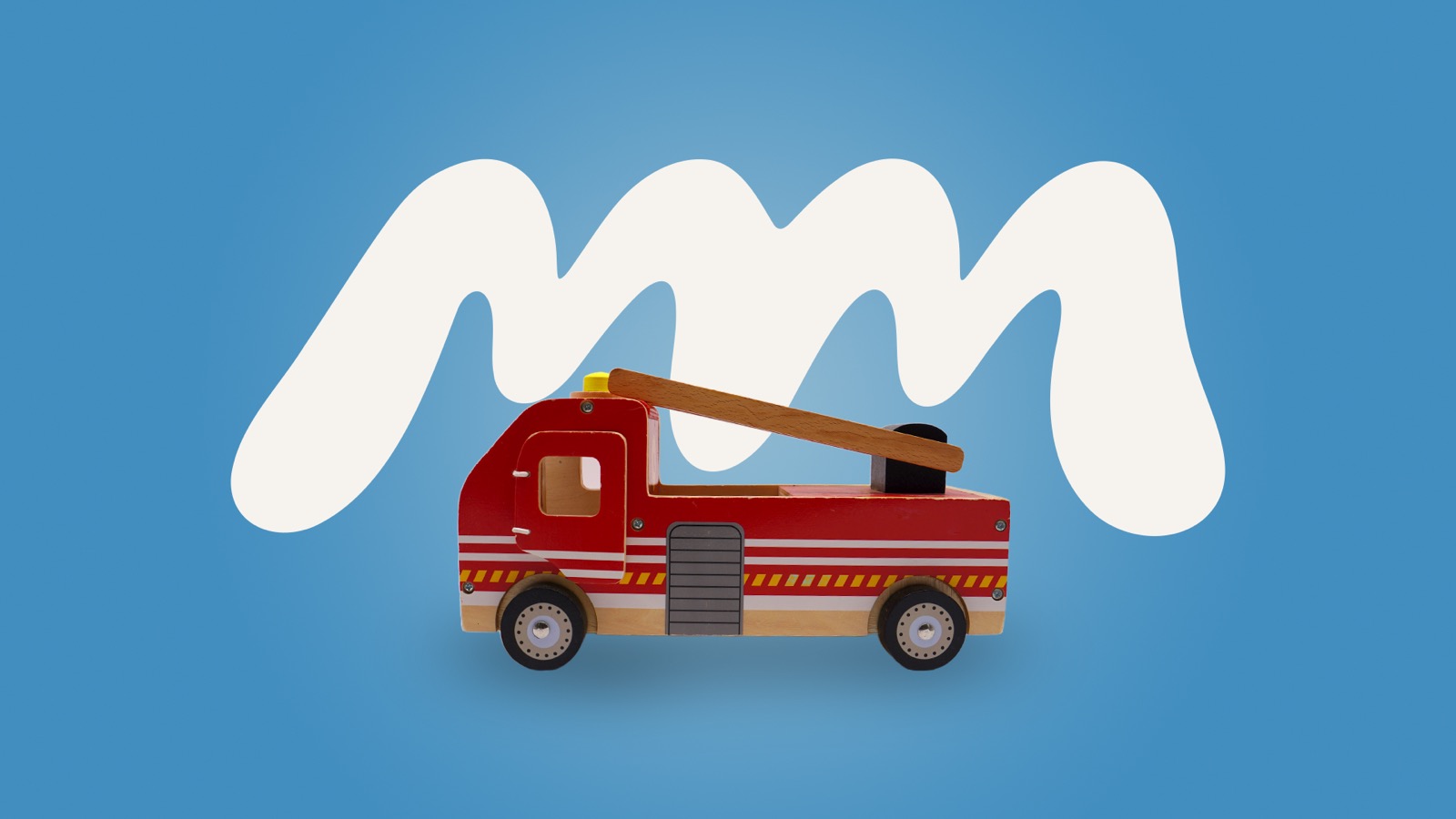
Mini Marketa: founding a circular marketplace for kids' toys
Owning every decision from discovery to logistics
Role
Founder: product, brand, growth, operations
Where
Mini Marketa (my own company)
When
2025 – ongoing
Status
Live at minimarketa.com
TL;DR
Mini Marketa is a Sydney-based marketplace for quality secondhand kids' toys that I founded and run solo. Every function a product company has (strategy, design, merchandising, pricing, logistics, marketing, finance) is mine to get right or feel the consequences of. Around 200 products live, a donation-driven supply loop, and an AI agent handling day-to-day operations.
The problem
Parents accumulate mountains of toys that are outgrown within months. The existing outlets, Facebook Marketplace and Gumtree, are cluttered, unsafe-feeling, and high-effort for both sides. Meanwhile millennial and Gen Z parents actively want to buy secondhand for cost and sustainability reasons, but won't tolerate a bad retail experience to do it.
The insight from talking to Sydney parents: they don't want a classifieds experience with toys in it. They want a shop that happens to be secondhand: curated, photographed properly, priced clearly, and delivered like any other online order.
What I built
A curated e-commerce operation rather than a pure peer-to-peer platform. Toys come in through donation drives and pickups, get quality-checked, photographed, and listed; customers get a clean retail experience with real product pages, bundles, and shipping.
That model choice is the single most important product decision in the business. Peer-to-peer maximises listings but exports all the friction (trust, photos, meetups) onto users. That is exactly the friction they told me they hated. Taking on the operational burden myself made supply my bottleneck, which then forced the growth loop that became Play It Forward.
Product decisions with real stakes
Pricing and unit economics. Secondhand pricing has no recommended retail price to anchor against. I price against a discount-to-retail heuristic, adjusted by brand strength and condition, and test bundles against singles. A "Buy 3 Books, Get 1 Free" automatic discount lifted book basket sizes, because books are low-value items whose economics only work in multiples.
Shipping was quietly destroying margins. Carriers bill by cubic (volumetric) weight, not actual weight, and toys are light but bulky. I audited the catalogue and re-set shipping weights across 200+ products to match billable cubic weight by box size. Unglamorous, and worth more to the bottom line than most feature work.
Merchandising as a product surface. Storefront filters, uniform product tiles, a consistent photography pipeline (ordering by capture time, front-of-box hero shots), and a donation counter on the storefront that makes the circular-economy loop visible at the point of purchase.
Growth: experiments, not campaigns
Everything gets shipped small and measured:
- A welcome offer for new subscribers: sign up by email and get 10% off a first order, so every new visitor has a reason to join the list.
- Short-form video ads produced with a code-based pipeline (React-rendered animations exported to video) so each new toy batch gets promo assets in minutes rather than days.
- Email as a retention channel: a reusable branded template and segmented sends, where donors get different messages than buyers.
The operations layer became an AI product
Running a marketplace solo means the ops backlog never ends, and there was never a team to hand it to. My answer was to build Marketa, an AI agent that picks up listings, bookkeeping, and marketing, and that grew into its own system and its own case study. The meta-lesson: AI in the loop works best when it absorbs the work that had no one to do it, so your time goes where people actually matter.
What running it has taught me
Supply loops beat acquisition spend. The best growth mechanic in the business turned out to be the donation program, which turns customers into suppliers and suppliers into voucher-holding customers.
Operational detail is product strategy. Cubic weight, box sizes, photo pipelines: the difference between a viable marketplace and a hobby lives in decisions no roadmap tool would surface.
Founding sharpens prioritisation like nothing else. Every hour has an opportunity cost measured in real dollars. I've become ruthless about what actually moves the needle versus what merely feels productive.
Blog
Get new posts by email
Real AI product research, agent builds, and what actually worked. Roughly monthly, never spammy.
Unsubscribe anytime.